September 15, 2024
Marjaana Rakai
Are you looking for a way to boost your athletic performance, no matter the conditions? You might already know that heat acclimation is crucial for competing in hot environments, but did you know it offers a wide range of performance benefits—whether it’s hot outside or not? Let’s dive into how heat exposure can help take […]
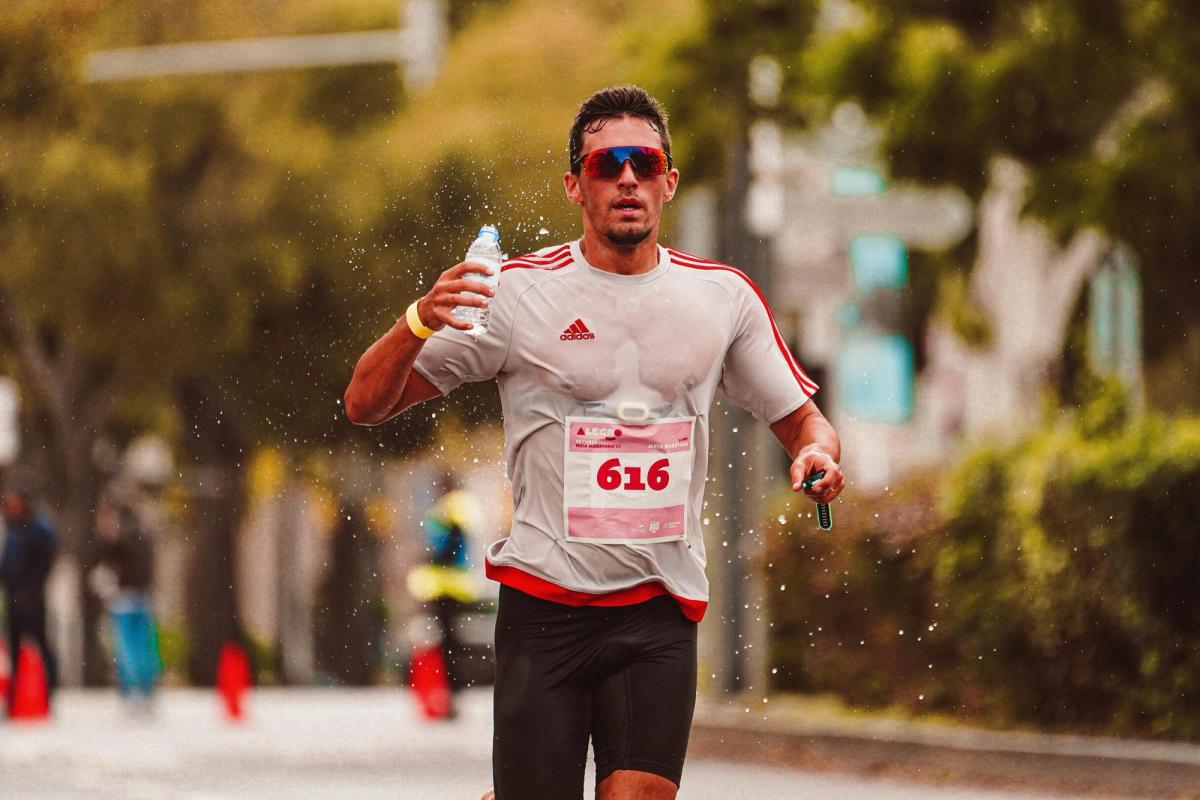
Are you looking for a way to boost your athletic performance, no matter the conditions? You might already know that heat acclimation is crucial for competing in hot environments, but did you know it offers a wide range of performance benefits—whether it’s hot outside or not? Let’s dive into how heat exposure can help take your health and fitness to the next level.
As highlighted in *The Coaching Professor* newsletters (links below), heat acclimation isn’t only for hot weather. It’s a powerful tool to boost overall fitness, enhance cardiovascular efficiency, and even mimic the benefits of altitude training.

Here’s what heat acclimation can do for you:

Exercise in hot conditions feels more challenging, as your body sends feedback to your brain about the increased difficulty (as shown on the left side of the graphic). However, your perception also plays a significant role in determining your performance in the heat. Factors such as your belief (“I can’t adapt”), previous experience with heat training (actually getting the work done in the heat), and, most importantly, your motivation to adapt can all influence how well you perform.
Sounds pretty cool, right? That’s not all folks, what is even cooler is the crossover benefits.
That’s right! Heat training can offer some of the same physiological adaptations as altitude training, like increased blood volume and improved oxygen delivery to working muscles. While it’s ideal to get some high-altitude exposure before a race, heat training can serve as an effective alternative if that’s not possible.
Check out the key scientist that discovered this phenomenon, Prof Chris Minson’s thoughts on the Training Science Podcast.
Wondering how to start? The Athlete’s Compass Podcast episode Sweat Science: Mastering Heat Acclimatization for Athletes gives you actionable advice on how to safely introduce heat training into your routine:


Follow @hiitscience on instagram and save these graphics on your phone for easy review.
It’s important to remember that heat and altitude adaptations are highly individual. What works for one athlete may not work as well for another. This is why personal experimentation is key—test what works best for your body and performance goals.
As always here in Athletica, we are all about giving you context and advice you can take into your life. You’ve already learned about Canadian Cindy Maloney and how she successfully prepared for the Ironman World Championships in Kona, notorious for hot, humid and windy conditions.
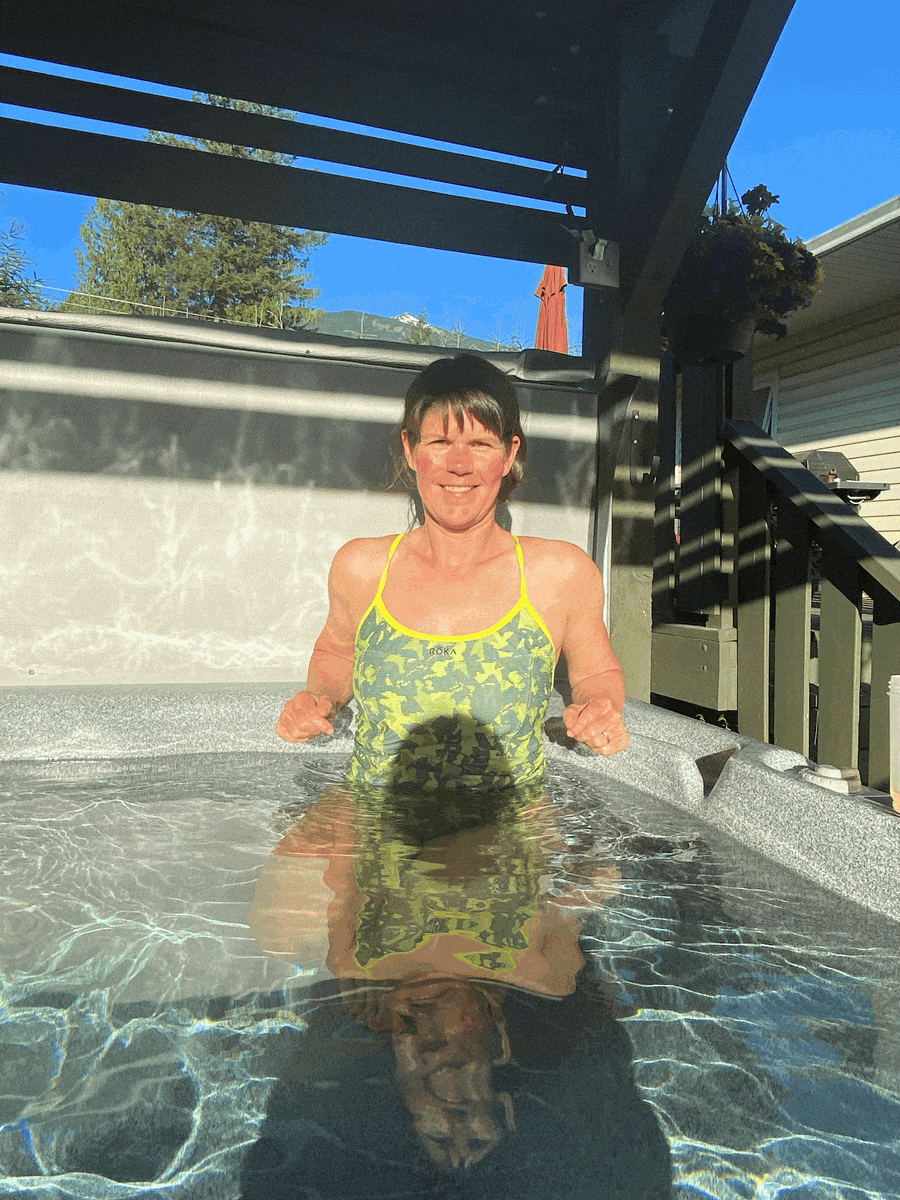
In addition, our Ambassador and podcast co-host, Marjaana Rakai experimented in the heat and humidity of Houston, TX as she prepared for Ironman World Championships in Nice, France. Here’s what she has to say:
“As a female athlete living in Houston, I’ve learned firsthand how brutal the summer can be—temperatures soar in the 30-43c and the humidity seems relentless. Usually, I’ve shied away from putting myself through the mental and physical wringer in the heat, but this summer, I used the heat to my advantage.
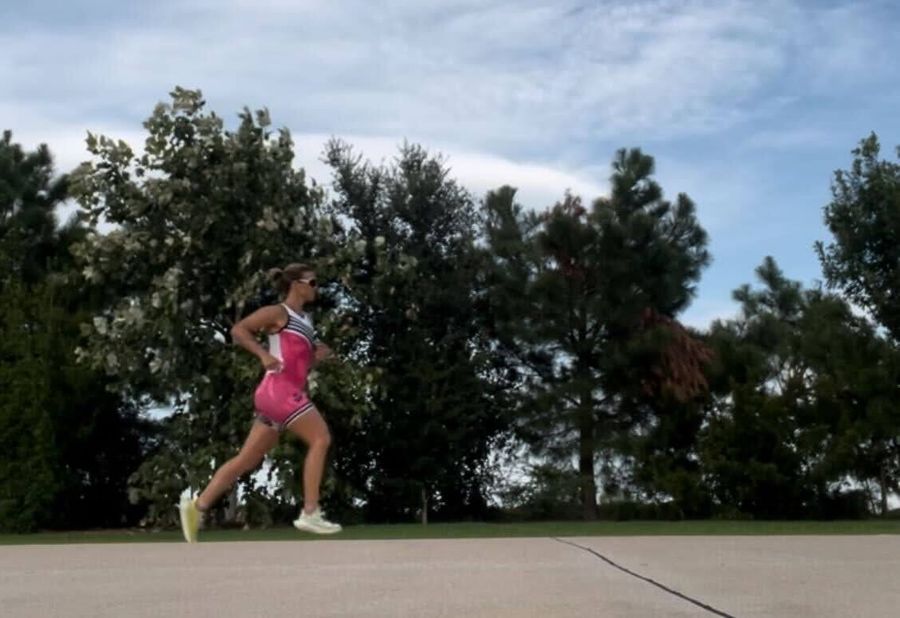
Initially, my runs in the heat would end with unrelenting struggle. I would only last for 30-40 minutes, heart rate soaring and feeling defeated- just as I’d experienced before. However, I was determined to change my mindset about performing poorly in the heat. This seemingly ingrained attitude I had about heat was standing in my way – and deep inside I knew it had to go. So I kept “torturing” myself and extending these runs. I no longer shied away from running in the heat – I even sought the highest temperatures possible and ran at lunch time, and afternoon.
After consistently running 3-4 times a week in the heat, I noticed that my heart rate started to decline during sessions, even as temperatures spiked. My endurance clearly improved, and I felt more resilient in heat. I even sat outside dripping wet, prolonging the heat exposure completely unfaced.
Although initially my running pace got much slower, it bounced back. This clear improvement in fitness took a little longer to develop, but it exceeded my expectations! I didn’t expect to see such marked change in running speed in heat, and was hoping the increased heat tolerance would somehow ease my race day. Now, I’m even running better than I was in cooler temps half a year ago! When it comes to my mindset – I’m fully onboard and no longer self-sabotaging myself thinking “I can’t perform in the heat”. Heat training works!
For those of you also battling the heat, I’ve found progressively lengthening shorter Zone 2 sessions and extending the heat exposure passively an effective way to get bang for buck without burning the candle in both ends, as heat acclimatization can be very taxing.
When it comes to gender differences, forget about women being less effective in heat acclimatization. It’s a challenge, but it’s also a tool that can make you stronger! All those benefits that the Prof and Dr. Minson mentioned in the podcast, are up for grabs if you do your heat training smarter, not necessarily harder!
Whether you’re preparing for an Ironman or just want to get fitter in general, heat acclimation offers significant benefits for athletes of all levels. From boosting cardiovascular efficiency to mimicking the effects of altitude, it’s an underrated performance enhancer that you can easily integrate into your routine. Don’t self-sabotage yourself thinking you can’t adapt.
Make sure to check out the full episode of *The Training Science Podcast* with Dr. Christopher Minson for more insights on how heat can make you a stronger, faster, and more resilient athlete! Also don’t forget to check out The Coaching Professor Newsletter from last summer and Cindy’s experience in heat adaptation as a cool weather athlete preparing for a hot race.
Stay cool and keep pushing the limits!
Sources:



