Self-Coached Athlete Guide: Own Your Training with AI (2026)
June 17, 2025
Paul Laursen
The complete guide to self-coaching with AI. How athletes like Harlerunner set PRs using Athletica — adaptive plans for triathlon, running & more.
1 The Rise of the Self‑Coached Athlete
Back in the days of faxed workouts, “self‑coached” was code for winging it. From marathoners and gravel cyclists to Hyrox competitors, athletes are ditching one‑size‑fits‑all coaching and taking ownership. When respected coach‑author Matt Fitzgerald published his June 2025 Triathlete feature—“How to Build a Self‑Coached Triathlon Training Plan”—he confirmed what forums and Strava feeds have hinted for years: athletes crave ownership over their training without sacrificing science.
Key stat: Google Trends shows a 3× search‑volume jump for “self‑coached triathlon” since 2022. (triathlete.com)
Why now?
- Data everywhere. GPS, power, and HRV let athletes see what coaches used to guess.
- Access to knowledge. Books, podcasts, and open‑source research (HIIT Science) break down the ivory tower.
- Adaptive AI. Tools like Athletica.ai translate lab principles into daily sessions that flex with life’s chaos.
2 The Three Pillars of Effective Self‑Coaching
- Solid Principles – Follow proven training laws (specificity, overload, recovery). Fitzgerald lays out a simple weekly skeleton—quality + endurance + skills. For runners this might mean mid‑week threshold repeats; for rowers, 4 × 2 km at 6K pace.
- Honest Feedback Loops – Log subjective RPE and objective HRV; adjust before fatigue snowballs. Let your training data objectively form your zones. Cyclists can tweak training blocks, while Hyrox athletes down‑shift strength volume when HRV tanks — and Athletica tells you why, so you learn with each tweak.
- Strategic Periodisation – Zoom out beyond race day; map base → build → taper cycles and let the plan breathe. Marathoners experience key runs in peak build; duathletes split brick intensity between bike and run.
Pro tip: If you skip one of the pillars, you’re not self‑coaching—you’re self‑guessing.
3 Case Study: Six Months with Athletica AI
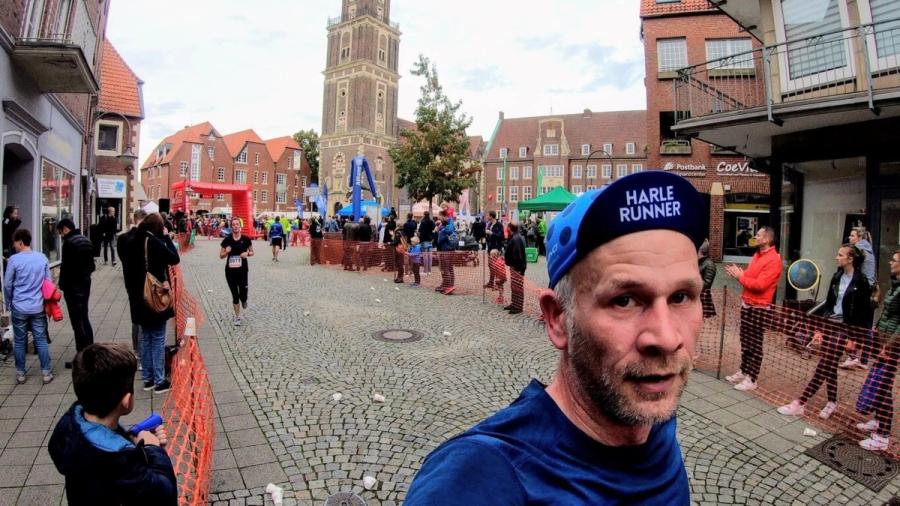
“Over the past six months, Athletica has helped me train in a more structured, consistent and goal‑oriented way than ever before—fully self‑coached. The AI adjusted to my daily routine while keeping the science‑backed structure. I hit new personal bests over 10 K and the half marathon, with zero signs of overtraining or injury.” — Harlerunner
Numbers that matter: Half‑marathon: 1 : 41 : 50 → age‑graded PR (‑3 min with Athletica vs previous best).10 K: Course PBs at two local races in April & May 2025.Injury count: 0.Max weekly km: 50 km (up ~15 % over 2024). Harlerunner credits three key features: season‑long transparency, Thursday HIIT consistency, and the “workout wizard” for schedule chaos.
“During my warmup I wasn’t sure I could hold the prescribed numbers, but once I started I surprised myself—and it became one of my best sessions ever. Thumbs up to Athletica!” — thekappe, Athletica Forum (June 2025).
4 How Athletica Turns Principles into Daily Workouts
Need How Athletica delivers:
- Full‑season view: Entire plan visible & adaptive from day 1.
- Combines Banister load model with HRV, RPE, and free‑text notes.
- Multi‑sport support: Triathlon, running, cycling, rowing, HYROX. Live and on demand cycling, running and S&C coaching through our Velocity partnership.
- Daily summary:looks back/forward, explains every load tweak, and spotlights power‑ & pace‑profile strengths to guide your next focus block.Metric intelligence
Athletica’s feedback loop acts like a personal mentor. The platform’s metric engine analyses your power and pace profiles instantly—if yesterday’s session nudged your critical power/pace curve upward, tomorrow’s tempo session may get adjusted appropriately. After each upload you receive a note on why tomorrow just got easier or harder, and an updated power/pace profile highlighting what to sharpen next. The goal isn’t blind obedience — it’s progressive education.
Training prescription for the self-coached athlete
Watch/Listen: Sport and data scientist Dr Andrea Zignoli on the Athlete Compass Podcast discussing Athletica’s AI adaptive load management. The trusted tool for the self-coached athlete.
5 DIY Framework: Build (and Adapt) Your Own Self‑Coached Plan
Step 1 – Define “A,” “B,” and “C” Races
Feed them into Athletica so taper phases map correctly. Limit A‑races to 2–3 / year.
Step 2 – Set Your Baselines
Enter your threshold power, pace or HR for your sport or discipline. Or simply leave blank and run the optional test week to have these auto-calculated for you. These values represent your sustainable pace or power and your training plan is built with them.
No credit card required · Cancel anytime · $20/mo after trial
6 FAQs (Frequently Asked Questions)
What is a self‑coached athlete? Someone who designs, executes, and reviews their own training instead of hiring a personal coach—often with help from adaptive tools like Athletica.
Is self‑coaching good for beginners? It can be if you’re willing to learn—if you use the methods described above or explained by Harlerunner, including Athletica’s guardrails like adaptive load and HRV feedback, red‑zone spikes are flagged automatically to keep you making progress towards your goal.
What’s the difference between Athletica and a human coach? Athletica gives 24/7 data‑driven adjustments for $20/mo; a human coach adds psychological insight, experience and race‑day strategy at +10× the cost.
Does this work for Hyrox? Yes. Athletica’s mixed‑modality library includes wall balls, sled pulls, and running intervals. The AI balances strength and endurance blocks so you peak fresh on race day.
How does Athletica’s AI adjust my workouts? It ingests your completed sessions (pace, power, HR, RPE) each night, recalculates fatigue and performance potential, then tweaks duration, intensity, or modality when needed—and explains the change in plain language.
Can Athletica build a marathon or half‑marathon plan? Absolutely. Read how Harlerunner set personal bests with it. Select your race distance and date, and the platform periodises base, build, specific work, and taper phases for you.
Does Athletica support cycling power and rowing data? Yes—connect your power meter or Concept2 and the engine will use those metrics for zone targets and post‑session analysis.
Do I need a Garmin watch to use Athletica? Garmin offers the smoothest two‑way sync, but you can also connect via Wahoo, Concept2, Intervals.icu and Strava if you use Suunto, Coros, Polar and more.
How much does Athletica cost and is there a free trial? $20 per month after a 14‑day free trial—cancel anytime.
How does Athletica help prevent overtraining and injuries? Daily load calculations plus HRV trends alert you before you hit the red; recovery weeks auto‑scale to keep chronic load and fitness gain in the sweet spot.
🏃♀️ Self‑coaching isn’t going solo. It’s partnering with the smartest tools so you can fast track your learning and focus on what matters—putting one foot in front of the other, faster than yesterday.
Start Free Trial
14-day free trial. No credit card required.
Train smarter with Athletica.
Your AI coach is waiting.
Adaptive training plans that adjust to your fitness, fatigue, and schedule — so you improve with confidence.